AI-Native Biodesign: With Proteins
Becoming an AI-native biodesigner, with proteins. Six weeks, from zero, on your own project, ending in a protein design proposal you can stand behind. Online, from 5 November 2026.
Silk is protein. So is the coat that lets mycelium shed water, and the glue a mussel uses to hold on to a rock in the sea.
A lot of what living matter does, the things designers fall for, comes down to proteins doing their jobs. In the last few years, AI tools have made it possible to look at those proteins, change them, and even invent new ones, from a laptop.
Running the tools is now the easy part. The hard part is reading them: saying what an output shows, what it can’t show, and who and what a change would touch. That is what makes someone an AI-native biodesigner, and it’s what this course teaches, from the very beginning. You don’t need any biology.
We start with the whole picture. AI is changing how designers work with living matter in many places, from how fungi grow to how DNA is read and written. Proteins are one of those places, and the best one to learn in, because so much of what living matter does is protein work, and the AI tools for proteins are the furthest along.
Why “with”? Because you design with proteins, and with the organisms that make them, not over them.
Over six weeks you’ll learn what a protein is, where our knowledge of proteins lives, how the AI tools actually work, and what the newer generative tools can do beyond AlphaFold. Every week, you apply it to a project of your own, and I read what you make.
By the end you’ll have a design proposal: a protein, the AI workflow behind it, and your own judgement on whether it’s worth making, and who and what it would touch if it were.
From designer to AI-native biodesigner
An AI-native biodesigner is a designer of living matter who works with AI models from the start of a project, reads what their outputs cannot show, and asks what a change would mean for the organisms and people involved.
“From the start” means the models are there from the beginning. It does not mean they lead. Often the work should start with the living material itself: growing it, handling it, getting to know it, before any model is run.
It comes down to 3 parts. The course builds all 3, week by week.
You read a model’s output and say what it shows and what it can’t show. No tool does this for you, so it sits at the centre of the course.
You run the tools yourself, with no coding and no lab, and you know their inputs, outputs and costs.
Before you change anything, you name who and what it touches: organisms, ecosystems, and the people who handle it.
Here is the change you’ll see in your own work.
Where proteins fit
AI-native biodesign happens wherever designers work with living matter and AI models together. For example:
Growing fungi, bacteria and plant cells, and predicting how they will behave
Designing the organisms that make things, and the DNA inside them
Running and tuning the processes that grow living matter, in tanks and in studios
Reading living matter through images and sensors
Understanding the communities and ecosystems that living matter belongs to
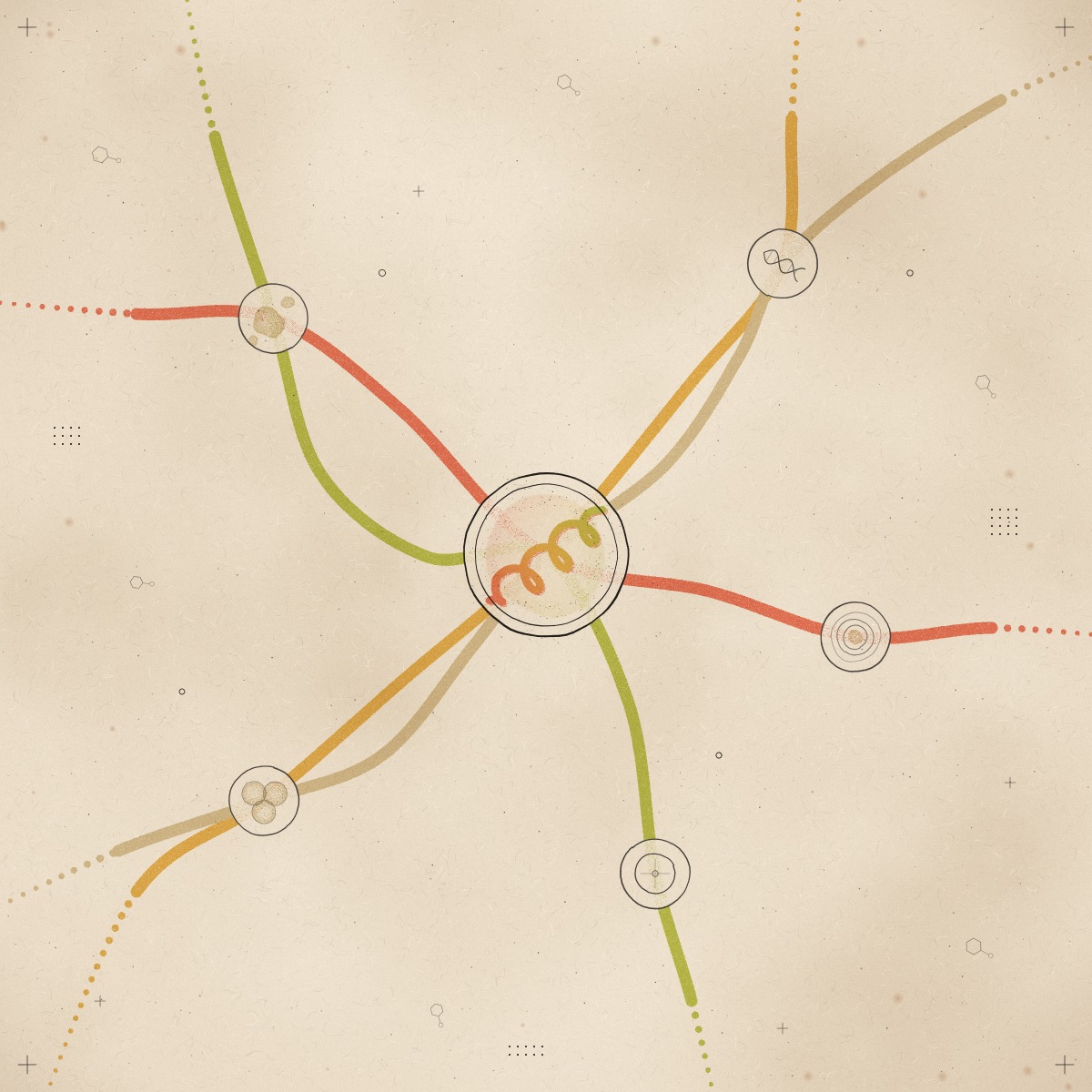
The course opens with a map of all of these, so you know where you stand. Then it goes deep in one: proteins. The 3 parts work the same way everywhere, so what you learn here carries into the rest of your practice.
Who it’s for
Designers, architects and artists who work with living matter, or want to start
Educators who want to bring AI-native biodesign into a studio or a course
Students in design, fashion, architecture and biofabrication
No biology, no coding, no lab. Week 1 starts from zero.
If you came to the live masterclass on 1 October
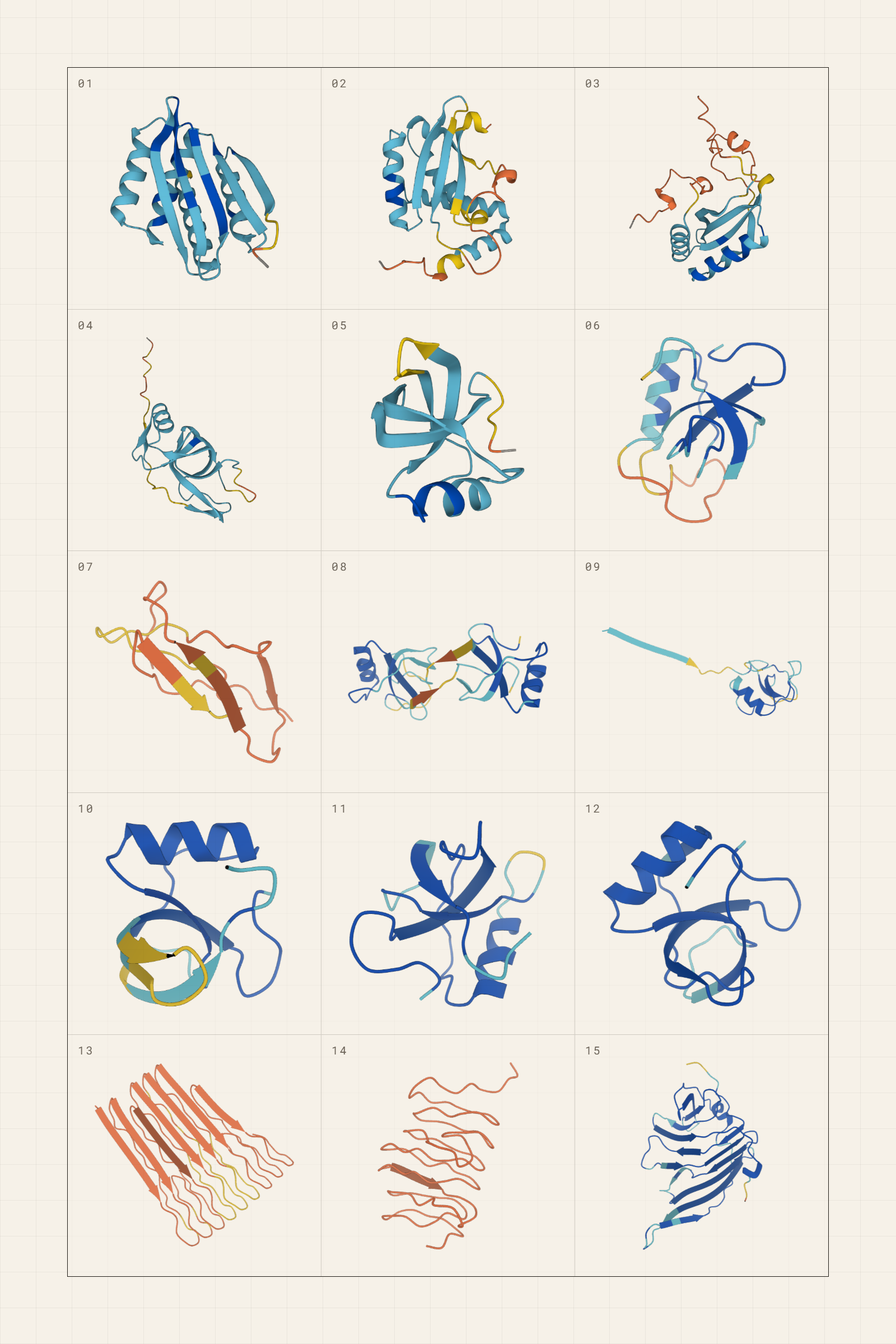
You won’t sit through it again. The course picks up where the masterclass stopped, and takes you much further.
Bring the protein you folded on 1 October to the kickoff, and answer the 3 questions about it. In week 3 you read it again with what you’ve learned, and see what it was hiding.
The week 1 lesson covers the masterclass ground more fully, with the new parts marked. Go over the basics, or go straight to what’s new.
It maps AI-native biodesign as a whole, which the masterclass didn’t cover.
Use the private link in your email. It works until 25 October.
How each week works
Every week has 4 parts, so the biology never floats on its own.
The idea. A recorded lesson in plain words, about 45 to 60 minutes, in short parts. It assumes nothing, and comes with the slides.
The tool. Something you run yourself, in your browser, with a step-by-step guide.
The biodesign case. A real example from fashion, architecture or biofabrication, with what worked and what’s still unsolved.
The studio step. One step on your own project. Each step builds on the last, and each one is marked with the part it builds: judgement, fluency or care. I read every one and send you a short written note back.
A new lesson lands every Thursday. Watch it when it suits you. Then we meet live that same Thursday evening. Can’t make it that week? The session is recorded, so you can watch it later.
The six weeks
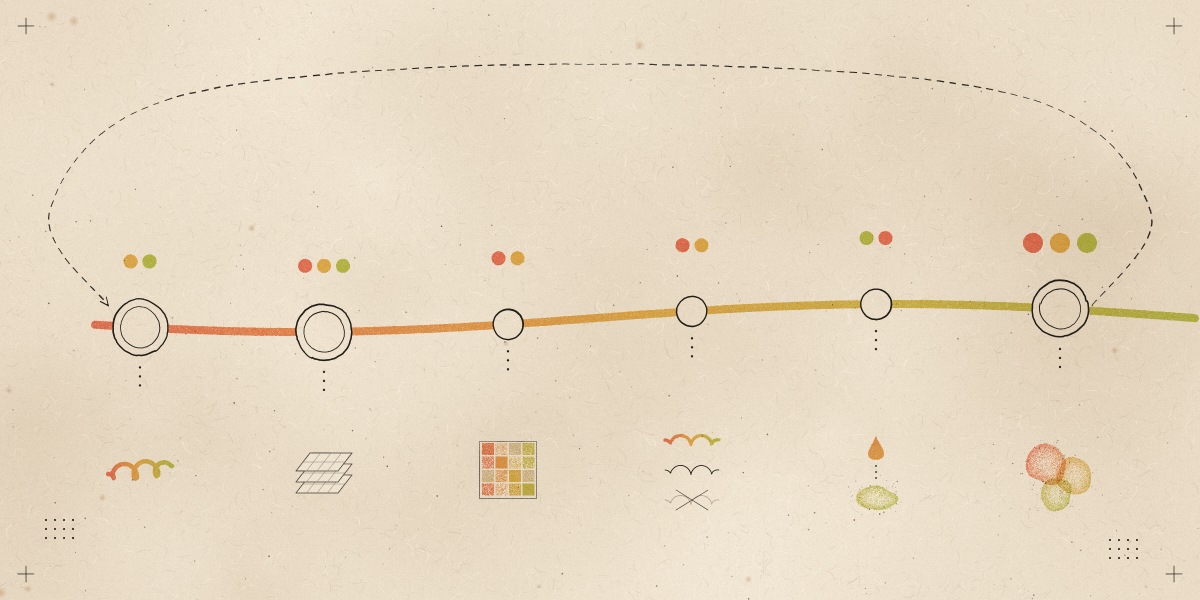
Letters, folding and shape. How a cell makes a protein from its DNA, and why the shape does the job. You find a protein in a browser viewer and turn it over in your hands. Then you map where proteins are at work in the living matter you use.
Fifty years of the folding problem. What the Protein Data Bank, UniProt and the AlphaFold Database hold, who built them, and why they’re free. What was measured, and what was only predicted. Also whose knowledge, and which organisms, they leave out. You choose your project and find 3 proteins that matter to it.
Families of related proteins, and how a model builds a shape from them. What the confidence numbers measure, part by part, and what they hide. You fold your own proteins, change them for a reason your project gives you, and read the result properly.
Predicting a shape is one job. Inventing a protein is another. Protein language models, tools that generate a shape, and tools that write a sequence to fit it. You generate a small set of candidates for your project and sort them by what you’d need to believe about each one, not by how good they look.
How a designed protein becomes real: microbes in tanks, precision fermentation, cost, time and failure. You read a real paper or company claim and trace what was measured and what was only predicted. Then you write your 2 questions. What would a scientist have to test? And who and what would it touch, from the tank to the end of its life?
You bring it together: the protein, your AI workflow, what the confidence told you and what it didn’t, who and what it touches, and your decision. Then you present it.
We meet live every week
We’re all busy, and we understand. Work, teaching and the rest of life don’t stop for six weeks, and keeping every Thursday evening free is hard. So every live session is recorded, and you get a short written recap of the main points. Join live when you can. When you can’t, catch up when it suits you. You won’t fall behind.
Every Thursday at 17:00 CET (16:00 London, 11:00 New York), on Zoom. 3 sessions are the core of the course: join those live if you can, because that’s where you get the most from the group. The other 3 are studio sessions: come when you can.
None of the live sessions repeats a recorded lesson. They’re for what only works live.
The 3 core sessions
My seminar on the whole map: where AI-native biodesign happens across living matter, from fungi and microbes to DNA and fermentation, and where proteins fit in it. Then the 3 parts, judgement, fluency and care, and how the six weeks build them. To finish, you answer 3 questions about your own work, one for each part. That’s your starting point.
Everyone introduces their project and gets feedback, so you start the hands-on weeks with a project that can work.
You present your proposal, and we put it to the 3-question test:
Judgement: can you say what this output can’t show?
Fluency: could you run the tool again, alone, on a new input?
Care: can you name one organism or person the change touches, and how it would be checked?
These are the same 3 questions you answered at the kickoff, so you can see how your own work has changed.
The 3 studio sessions
These are the hands-on weeks, so these sessions are about your work. Send me your question or your output by Tuesday. On Thursday we read 2 or 3 participants’ results together on screen, and I walk through the problems people sent in. It isn’t an open Q&A. Every session is prepared from what you send.
Questions you send in writing are always answered, in the next session and in the written recap, so you get an answer whether or not you join live.
What you leave with
Judgement: a way to read what an AI model gives you, and to say what it can’t show
Fluency: hands-on practice with free browser tools for finding, folding and generating proteins, and the confidence to run them again on your own
Care: the habit of naming who and what a change touches, from the tank to the end of its life, before you make it
A map of AI-native biodesign as a whole, and where your own practice sits in it
A protein design proposal for your own project that answers all 3
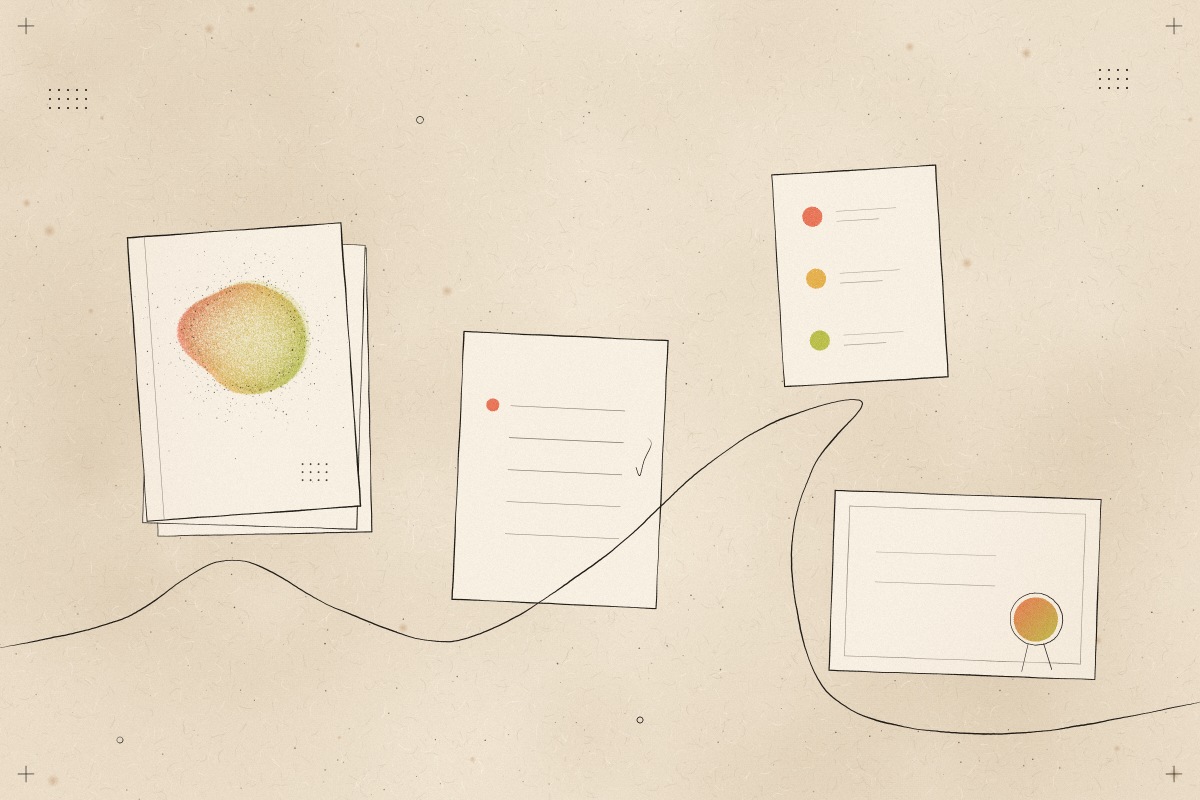
A certificate of completion from Biodesign Academy, with a page listing what you covered and the tools you used
The certificate is given for submitted work: the 6 studio steps and a final proposal that answers the 3 questions. Attendance alone doesn’t earn it, and missing a live session doesn’t lose it.
Being AI-native isn’t a job title or a certification. It’s a way of working, and this course is where you start working that way. Six weeks gives you solid basics and one serious project. It won’t make you a protein engineer, and nothing in the course makes a molecule in a lab. What it gives you is enough to work with these tools yourself, and to sit down with a scientist with a real question.
What’s included
Most facts about proteins are free online, and AI will give you more of them in seconds. What you can’t find online is someone who knows the field reading your work, week after week, and telling you what it shows and what it misses. That is what this course is built around.
6 recorded lessons, about 45 to 60 minutes each, with slides
6 live sessions on Zoom, about 8 hours in all: 3 core sessions and 3 studio sessions
A recording and a written recap of every live session, so you can catch up whenever you need to
Written feedback from me on all 6 studio steps, before the next live session
Feedback on your final proposal at the crit, in front of a small group of peers
A crit partner: another participant you swap studio steps with each week
Step-by-step guides for every tool, so you can run them again on your own after the course
The course field guide, a PDF to keep: the map of AI-native biodesign, the 3-question sheet, every tool guide, a proposal template and a glossary
A follow-up session on 7 January 2027 at 17:00 CET, 60 minutes, live and recorded, to share where your project went
12 months’ access to every lesson, recording and resource
A chance to be featured. With your permission, the strongest proposals are shared in the Biodesign Academy newsletter.
Price
This is the founding run, and these are founding prices. They hold until Sunday 25 October, 23:59 CET.
For an educator coming on behalf of a course or studio. One place, with a receipt in your institution’s name, plus a 30-minute call with me on bringing AI-native biodesign into your own teaching. Card payment only.
You get a lower price. Use the private link in your email.
It’s a small group, because I read every studio step and answer every question myself.
Questions people ask
Who’s teaching
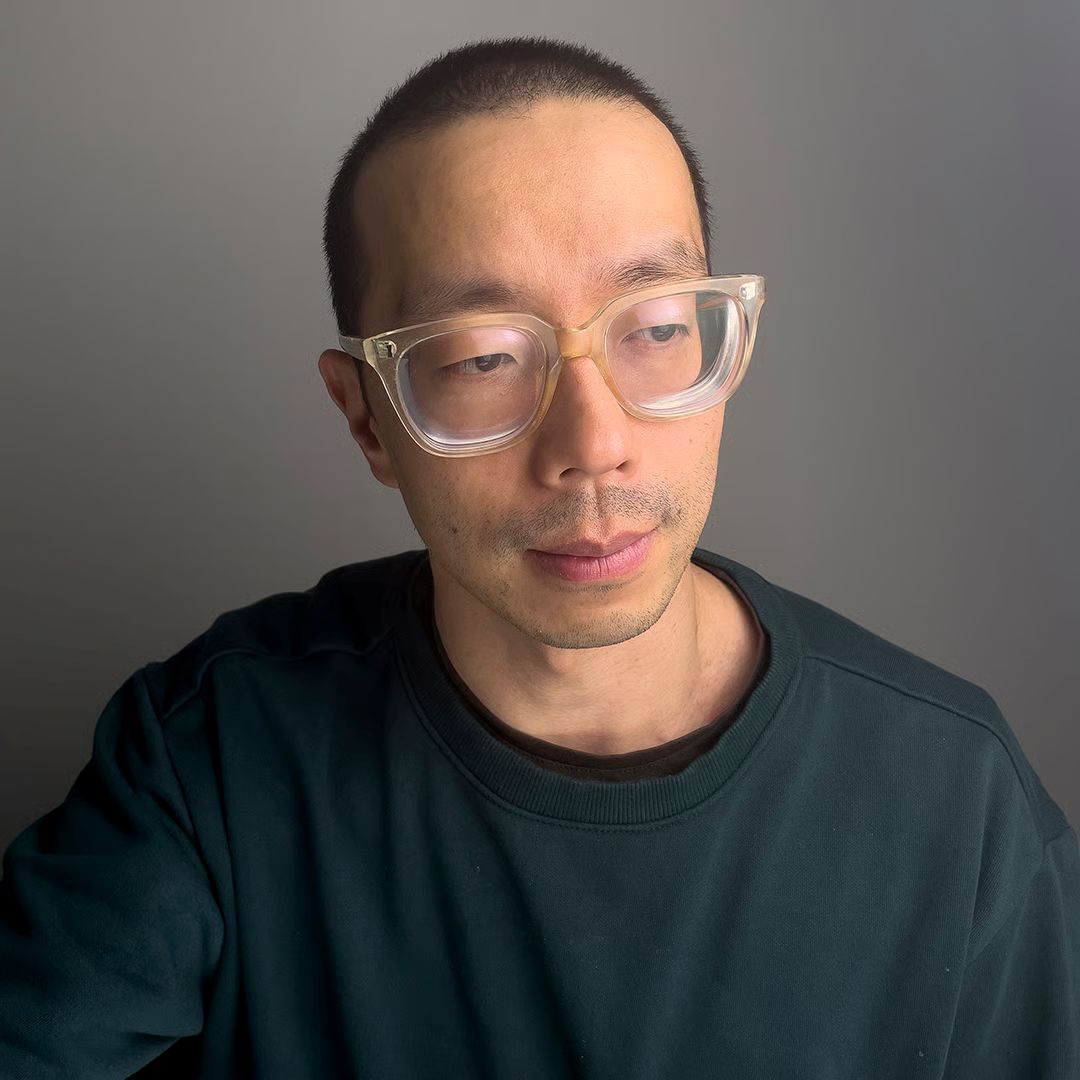
I’m Raphael, and I started in the lab. During my biotechnology degree at UCL I spent a year at Roche in Basel, folding and purifying proteins, and I wrote my final-year thesis on protein folding and drug design. Later I managed a malaria research lab at Imperial College London.
Then I moved into design: an MA at the Royal College of Art, a PhD at Queen Mary University of London on computer games played with living microbes, and a postdoc on living matter at TU Delft. I’ve taught design students at the RCA as a visiting lecturer.
Now I work where the two meet. In 2026 I won compute time on Isambard-AI, part of the UK’s national AI research resource, and used it to test how AI protein predictions hold up across about 1,700 structures. In 2025 I ran AlphaFold Futures, a 3-day workshop for designers from 5 universities. In January 2026 I led an international design workshop at Shih Chien University in Taipei. And I run Biodesign Academy, where I write about how living matter works, from the molecule up.
Questions? Reply to any Biodesign Academy email, or write to [email protected].
AI-Native Biodesign: With Proteins is taught by Raphael Kim at Biodesign Academy. Six weeks online, from 5 November 2026. No biology, no coding and no lab needed.
