Helping designers read what their biology actually does
Biodesign gets stronger when designers can tell a real biological promise from a plausible-sounding one.
Biodesign Academy gives the field a molecular floor: enough literacy to design with the biology rather than around it.
Judgement is the craft.
What this is
A weekly, independent publication on AI-era biodesign, read from a design and education perspective.
The antagonist isn’t AI, or the speculative tradition. It’s a promise that floats free of what the biology can do, and AI fluency mistaken for proof.
The molecular floor completes the critical and speculative tradition rather than replacing it. It gives designers a way to ask whether a beautiful idea can actually hold.
Who it’s for
Designers working in or around biodesign
Students and design researchers
The institutions teaching it
Written to be read by a second-language audience: short sentences, plain words, glossed terms.
The case-study library and modules are built to be taught from: specialist content a programme can’t easily build in-house.
Who’s behind it

A biodesigner who spent close to a decade at the lab bench, and who reads AI-era molecular biology for a creative audience.
Biodesign Academy is curated and co-written by Raphael Kim. He trained as a scientist before becoming a designer: a BSc in Biotechnology and close to a decade of wet-lab work in microbiology, molecular biology and protein chemistry. He then took an MA in Design Interactions at the Royal College of Art, a PhD at Queen Mary University of London, and a postdoc at the Material Experience Lab, TU Delft.
He is a recurring organiser of the microbe- and bio-HCI communities, a visiting lecturer at the RCA, and a long-standing figure in the DIY and community biology scene, with multiple first-author peer-reviewed papers and international exhibitions behind him. He works across the field’s design schools and labs.
The bench and publication record are what let this publication read molecular claims honestly, without overstating them.
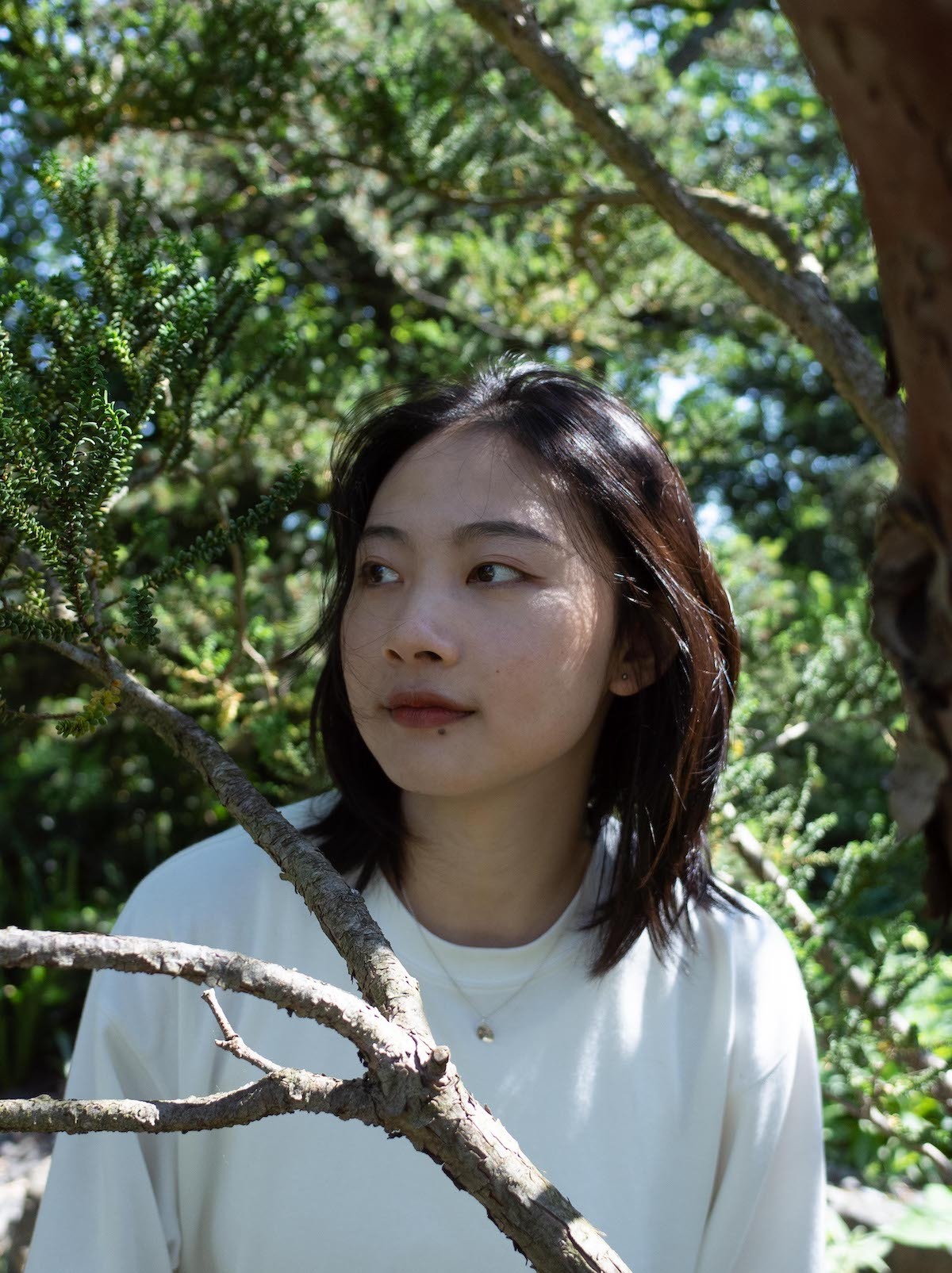
A design researcher on a postdoctoral fellowship at KTH Royal Institute of Technology, Sweden.
Her PhD research advocates for and explores more-than-human care ethics in biodesign practice: care expressed through layers of labour, affection and morality in everyday material transformations and exchanges with living organisms.
She theorised what it means to design habitability for living organisms to foster more-than-human relationality in biodesign, and to view biodesign as a continuum: not to end design at the point of handing it over to the people who live with it in everyday life. Her research-through-design work examines temporalities (temporal dissonance) in microbial living interfaces and the materiality (performativity and multi-situatedness) of living artefacts, supporting more-than-human care in both designing with and living alongside other species.
This trajectory has shaped her current interest in the human body as an ecological site of care relations among microbes, hormones, bodily fluids, food and the outside environment. More broadly, she aims to explore non-mastery embodiments for designing care across ecological systems, shifting from “responsibility” towards “response-ability”.
